
A personal solution that gave me back my dignity and freedom of movement.
This is one of the most important projects I’ve ever shared with the world—because independence and dignity have no price.
This article is for anyone who uses a urine bag and is looking for a practical solution that can make a big difference in daily life.
The Problem
Emptying a urine bag is a daily challenge for people with quadriplegia—and for many others who use wheelchairs and can’t reach the bag themselves.
When you’re sitting in a wheelchair, you simply can’t bend down to access the bag, which is usually strapped below the knee, with the drain valve at the very bottom.
Why this solution matters
In terms of independence and daily life, an electric urine drainage valve is—at least in my opinion—an essential device for people with quadriplegia. As long as you’re seated in your chair, you can take control of your own bladder management.
No one else has to do it for you.
That kind of freedom is life-changing.
I’ve been using this system since around 2010. Over the years, it’s proven to be reliable and durable.
Oddly enough, I don’t know many people locally who use anything like this. Maybe they’re just used to always having someone help them, or they don’t know this kind of solution even exists.
When I watch YouTube videos, I see Americans using all sorts of DIY or store-bought setups. I once saw a guy make a system out of a plumbing valve, pulling it open with a wire tied to his footrest. It looked strange, but it worked.
I’ve also heard about people who intentionally drink less water so they don’t have to pee—because there’s no one around to help them empty the bag during the day. That’s a terrible way to live.
This system came out of my refusal to live like that.
There’s something about personal dignity that makes it unbearable to ask someone else for help with basic bodily needs—especially when technology can handle it for you.
Speaking of dignity, mine disappeared that day I crashed my motorcycle and ended up paralyzed, face-down in a ditch. That was the end of one life and the beginning of something much harder.
First-hand experience & benefits
Here are some real-life benefits of this system:
- You can empty your bag wherever and whenever you want
- You can drink fluids freely, without holding back
- Your bladder stays healthier, kidneys happier—less risk of infection
- No one needs to see or know when you’re draining
- You’ll become a magnet for curiosity from others with SCI asking, “Where did you get that?”
- You’ll never again be stuck in a crowd, at a party, a seminar—or even a first date—wondering who to ask for help
This was one of the most important projects I’ve ever built.
In the past, any time I left the house, I had to plan my return before the bag got full. That pressure was always in the back of my mind—”What if I overfill it, the external catheter slips off, and I wet myself in public?”
That’s not freedom. That’s walking on eggshells.
Now, since I’m already able to leave the house on my own, it just makes sense to be able to empty the bag on my own too. I can be out from morning until night without asking anyone for help.
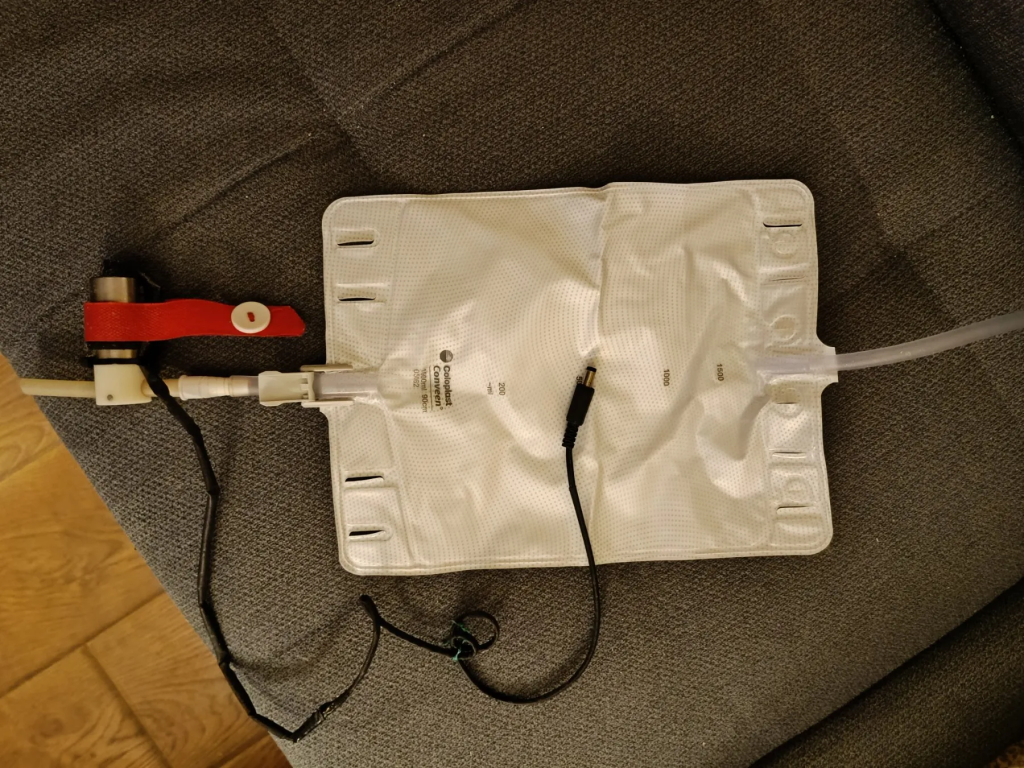
That’s true freedom. And it feels good to have even a little control over your life.
It also helps me stay healthy—I now drink 2–3 liters of fluid daily without hesitation, and that’s essential for avoiding urinary infections.
Technical Overview
There are several types of valves available online, ranging from $300 to $900.
The valve I use is a solenoid valve, originally designed for laboratory fluid control (Bio-Chem brand). It’s not cheap—but I was lucky enough to find one on eBay for a reasonable price once, and I’ve never seen it listed again.
How It’s Installed
- Under my seat is a small box with power from the wheelchair battery and a 3.5mm female audio jack
- The valve plugs into that jack
- Next to my joystick is a small button—when I press and hold it, the valve opens; when I release it, the valve closes
- Super simple and effective
In the photo below, you can see how the valve connects to the urine bag.
Normally, my pant leg covers the bag completely, with just the valve slightly sticking out. Loose pant legs work best for that.
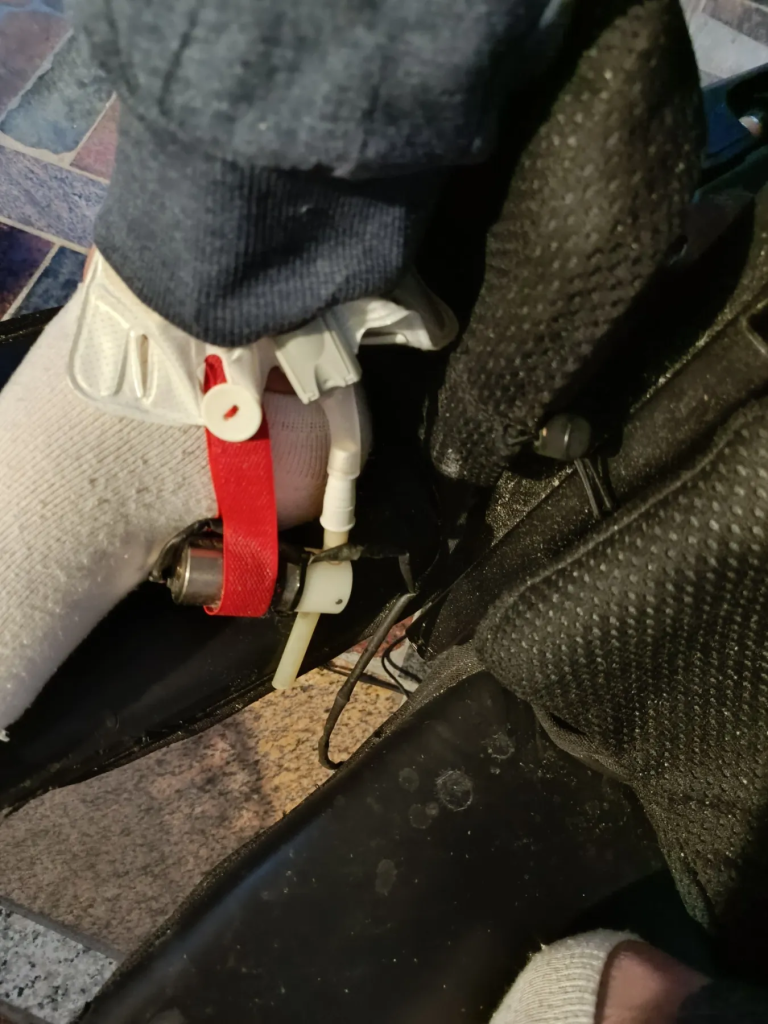
Types of valves & where to get them
My valve is non-contact—urine doesn’t pass through the valve, it just pinches the external tubing shut. That’s much better hygienically, especially when someone else has to attach or remove the valve.
It clamps tight enough that there’s no leakage on the floor.
The red strap with the white button is velcro, stuck to adhesive velcro on the valve’s body—so it stays secure and doesn’t slip or twist. The tube running through the valve is made of soft silicone—which seals properly under pressure. A regular bag tube is too stiff and would leak.
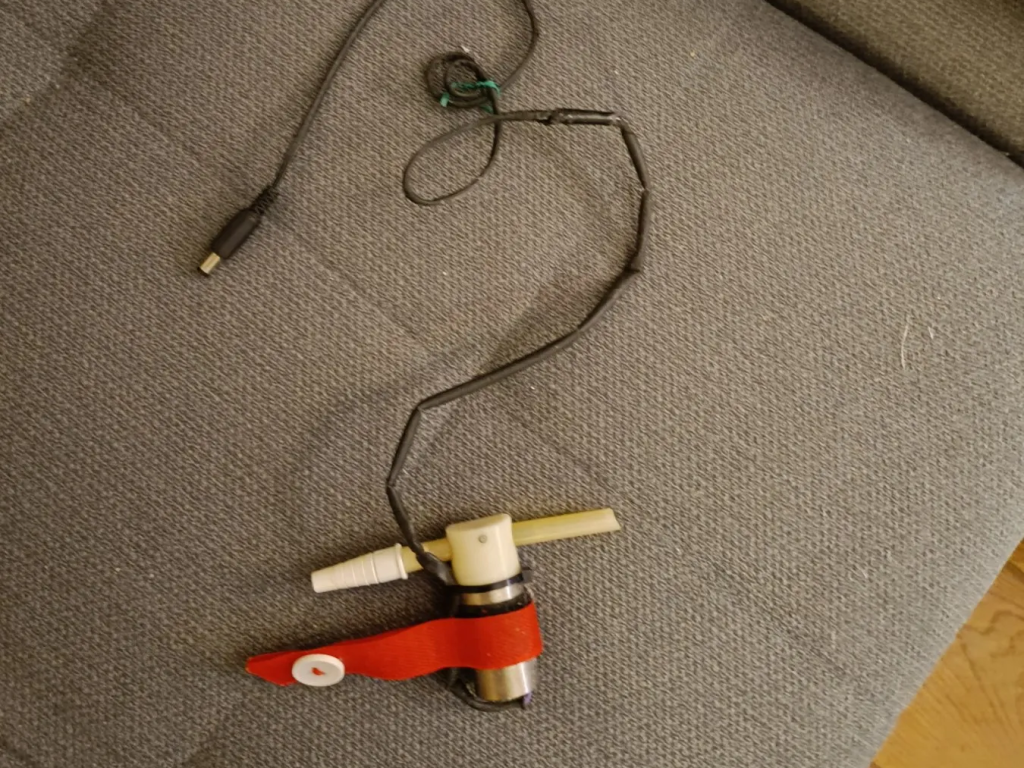
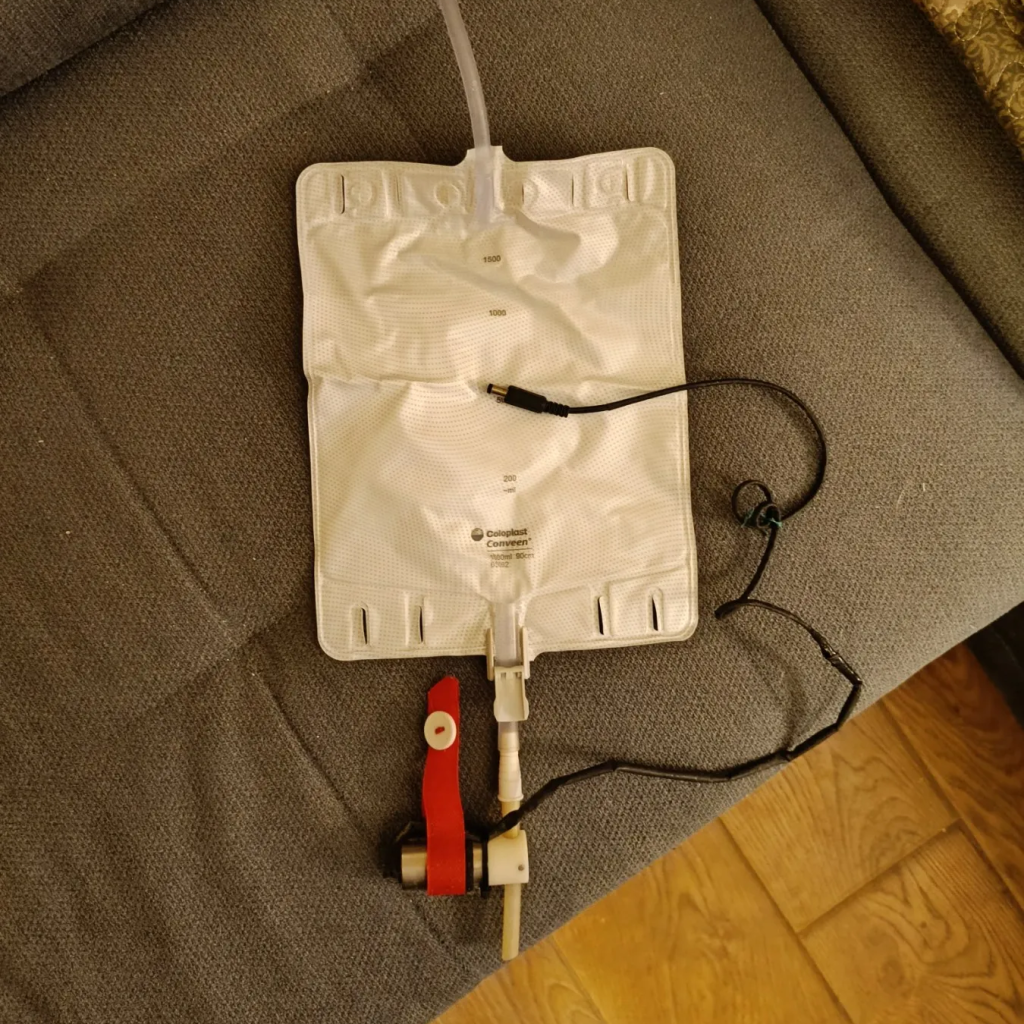
You can get cheap solenoid valves for under $10 on AliExpress, but those are in-line, meaning urine flows directly through them. That means they need to be rinsed every time you detach them. That adds work for the caregiver—and the valve needs a power source to open, plus some kind of way to flush water through.
Not ideal, but still a solid low-cost option for some people.
As for my valve, it’s incredibly rare and, being an American lab-grade product, costs ten times more than those online versions.
I keep planning to test a cheaper AliExpress version but haven’t gotten around to it yet. I imagine it’ll work fine, as long as it’s rinsed regularly to avoid bacterial buildup.
At that price, you could just replace it every 3 months. Honestly, one good valve could last you a lifetime.
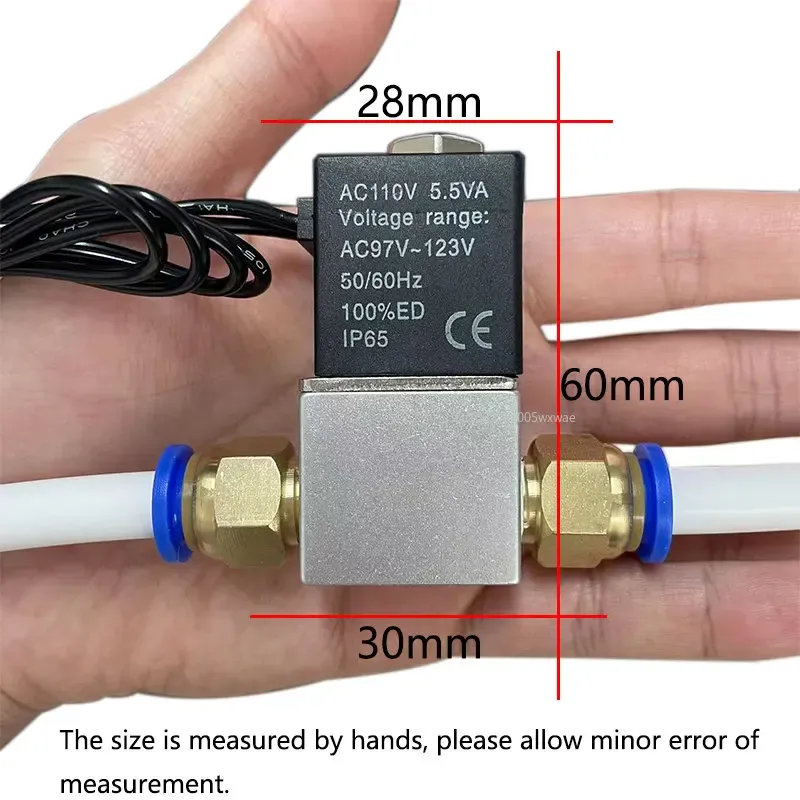
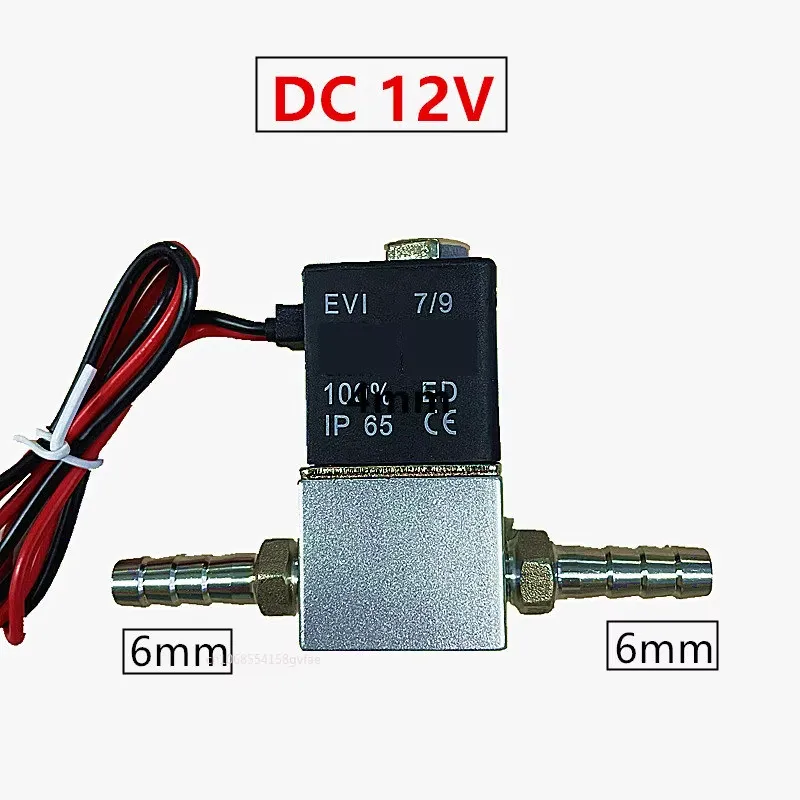
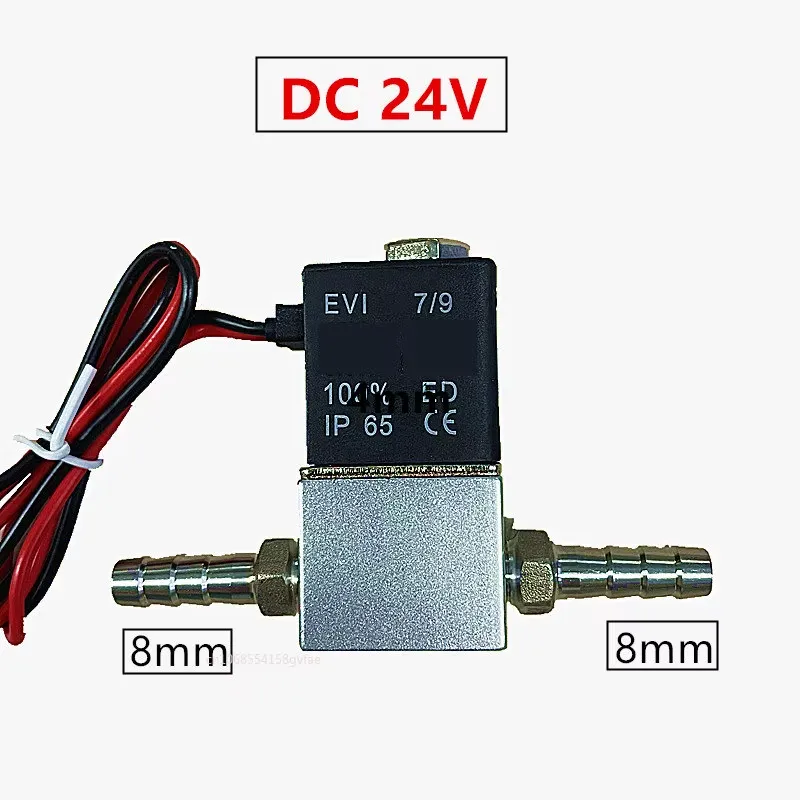
The first photo shows how big the valve is in your hand—just make sure the voltage matches your wheelchair system (12V or 24V).
You’ll also need to choose the correct connector size—6mm or 8mm—depending on the tubing from your urine bag. Once you measure the tubing, order the valve that fits.
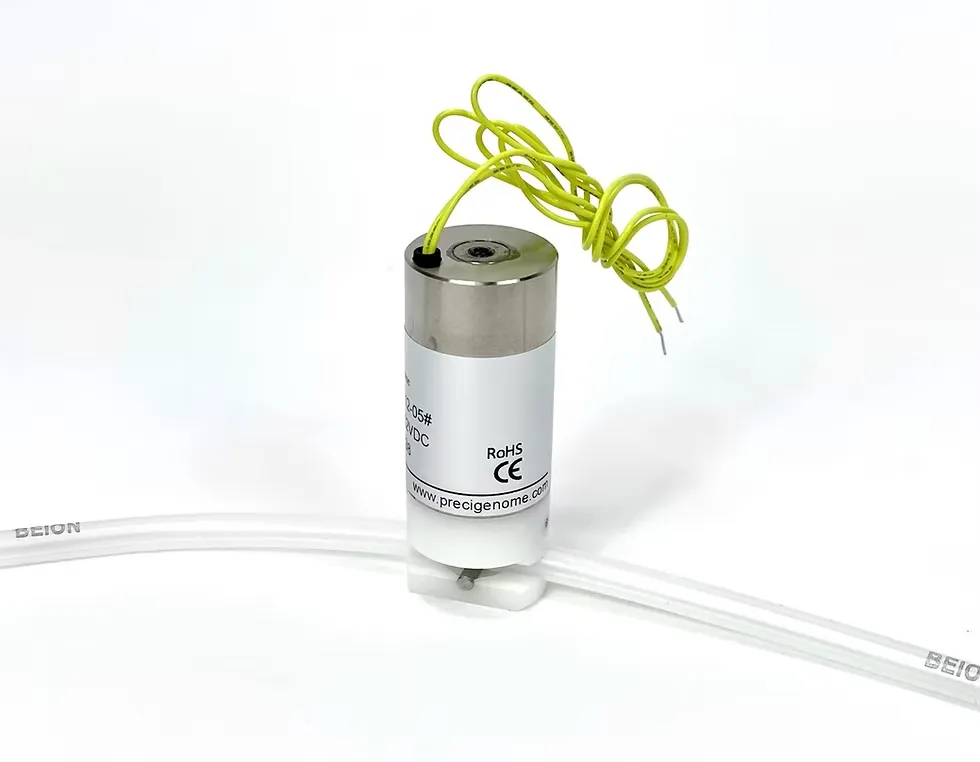
These days, unlike 15 years ago, there’s tons of info online about solenoid valves—their types, specs, shapes, and use cases.
Final note
At the time of writing, I had just changed wheelchairs. The drainage system has been removed from my old chair and is waiting to be reinstalled. The photos in this article show the components and setup. Once it’s all re-mounted, I plan to film a demo and write a new article showing exactly how it works in action.
Bonus tips
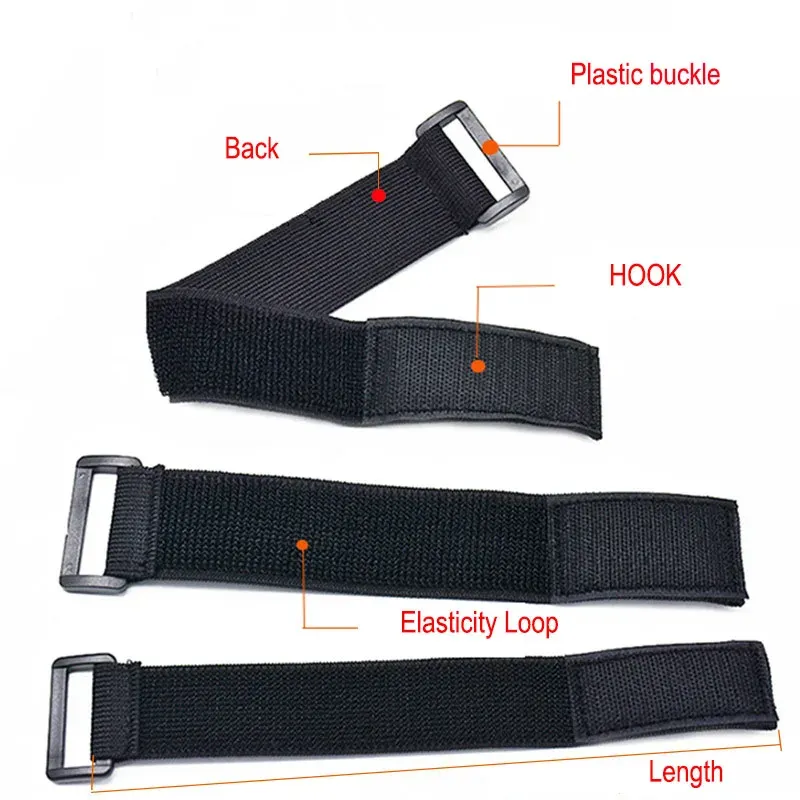
The elastic strap used to secure the urine bag is another must-have, but it’s not available locally and often overpriced.
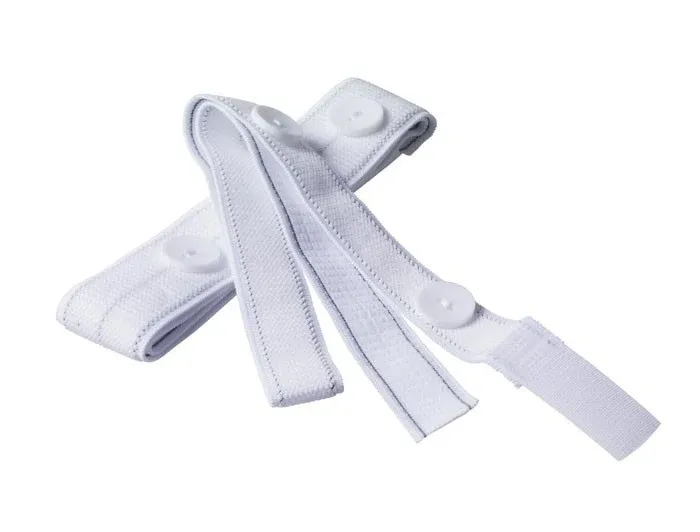
Here’s a quick hack: you can buy elastic Velcro straps with plastic buckles from AliExpress for just a few dollars. Then simply sew buttons across it to match the holes in your urine bag.
For example, a 25mm-wide strap, length matched to your calf circumference, works perfectly.
If you use a urine bag and you’re thinking about taking control—or if you know someone this could help—share this article.
If you want to build your own system or have questions, feel free to reach out. Sharing knowledge helps more than you know.
Because freedom shouldn’t depend on someone else’s availability.


Be First to Comment