
From sea turtles with straws in their noses to disability rights: A lesson in advocacy and responsibility
In 2018, plastic straws became the poster child of environmental activism. But for people with disabilities, they were a lifeline. When global bans emerged (notably in the US, Canada, and parts of Europe) following viral turtle imagery, disability communities sounded the alarm: For many, plastic straws aren’t a convenience – they’re a necessity. Their unique combination of flexibility, rigidity, and liquid resistance makes them irreplaceable for those with motor impairments.
The backlash worked. Cities like Seattle and states like California amended bans to allow straws “on request” in medical facilities and restaurants. This campaign achieved two vital things:
- It proved collective action by disabled communities can reshape policies
- It showed environmental measures must include disability perspectives
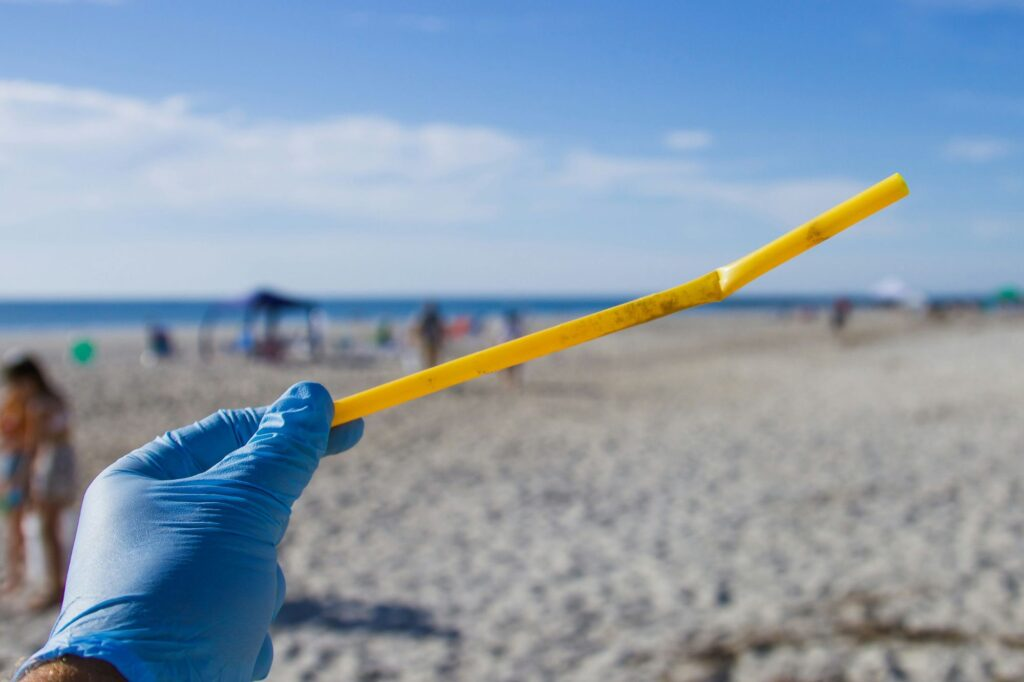
Photo credit: PML
Fact: Straws constitute <0.1% of ocean plastic yet became symbolic of change.
Further Reading:
This victory highlights what our local disability community lacks: the organized political influence demonstrated abroad. While communal activities like cooking gatherings have value, we urgently need stable political representation—regardless of who’s in power.
“History’s clearest lesson is that rights aren’t given—they’re taken by force.” — Noam Chomsky
My Solution: Upgrading IKEA’s Metal Straw
Years ago, I switched to IKEA’s stainless steel straws for durability and space efficiency (no more storing hundreds of plastic ones). But they had flaws:
- Conducted heat dangerously (burn risk)
- Too rigid for angled drinking
- Unpleasant metallic feel
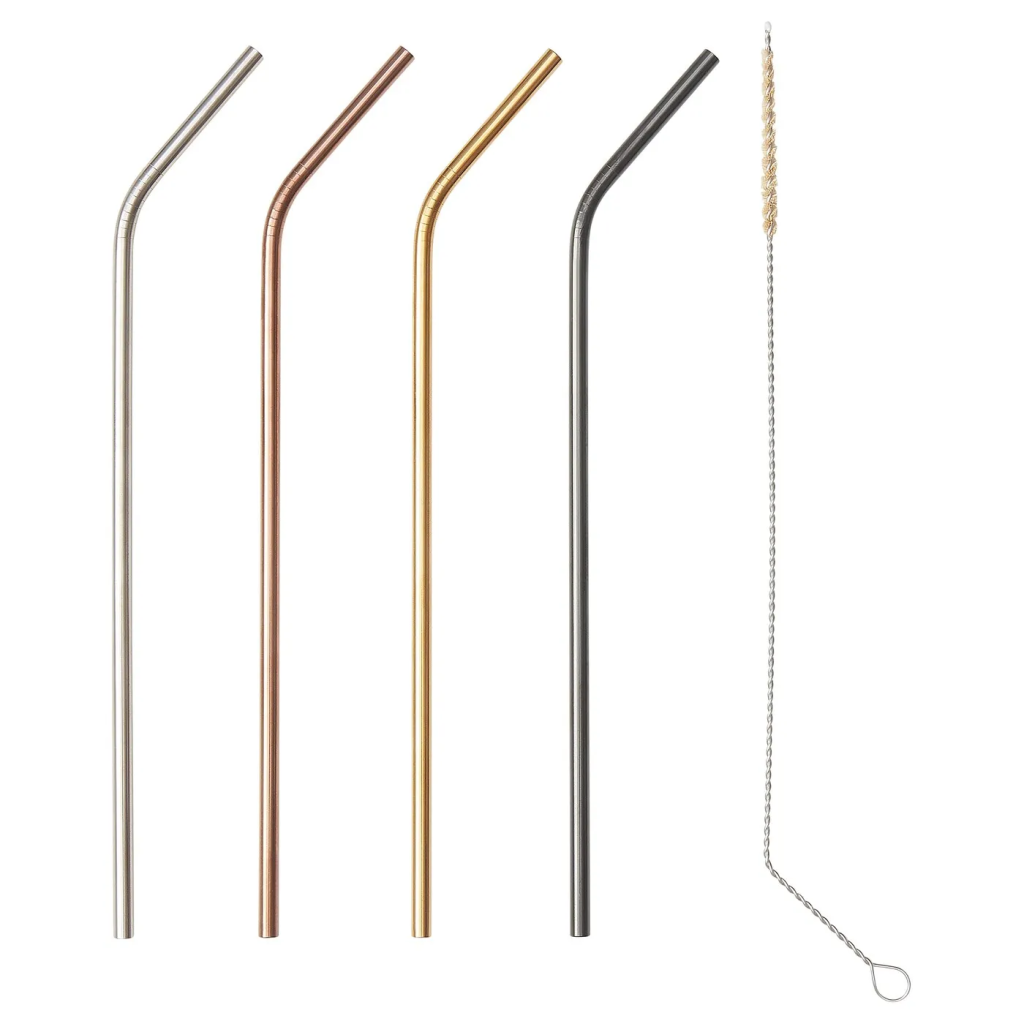
My hack:
- Added a 10-15 cm medical-grade rubber tube (from urine bags) over the metal straw:
- Eliminates heat transfer
- Adds flexibility
- Improves mouthfeel
- Designed a 3D-printed angled connector for ergonomic positioning
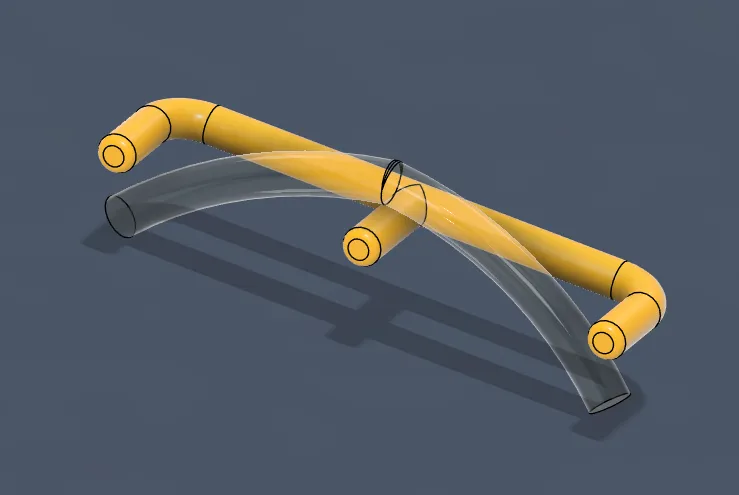
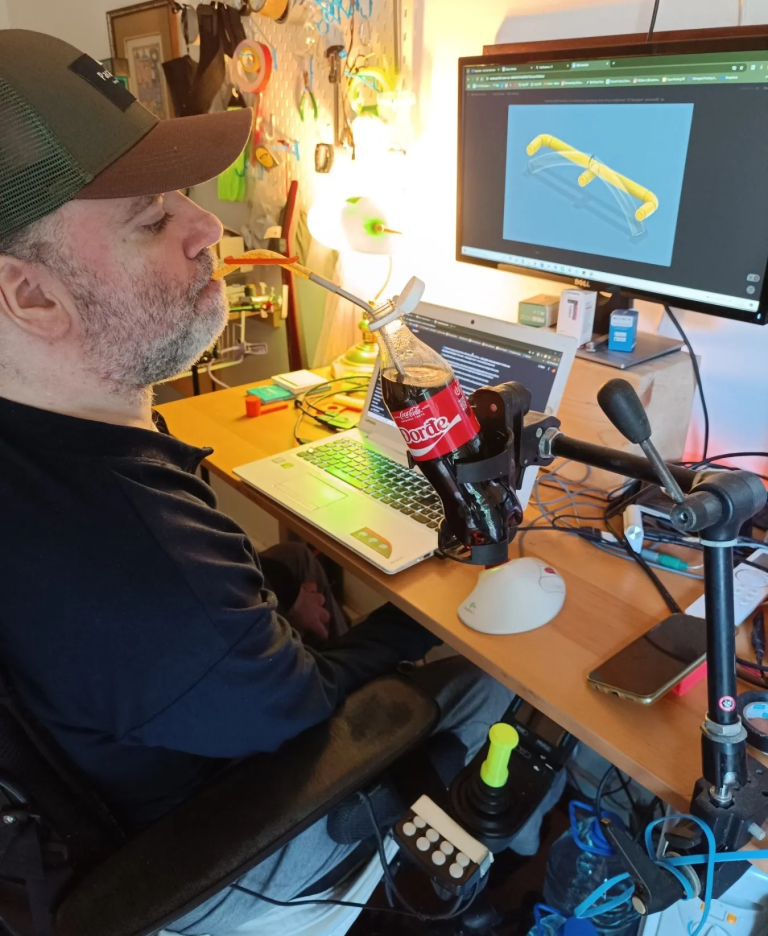
Result: A reusable system combining:
✔ Metal straw’s longevity
✔ Plastic’s safety and flexibility
✔ Easy cleaning (IKEA includes a brush)
Bonus: The rubber tube also works for drinking from water bags/bottles.
Why this matters
- Environmental win: Zero single-use plastic waste
- Functional design: Proof that solutions exist when we innovate
- Community potential: Imagine scaling such adaptations through collaboration
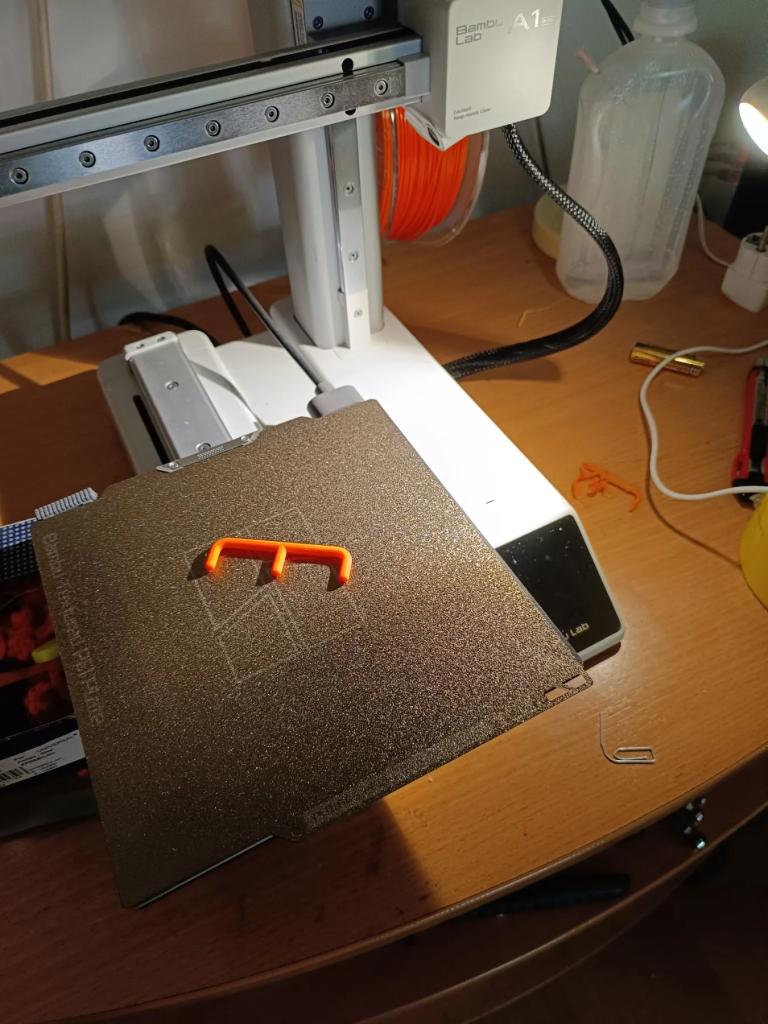
STL file – straw bender: Download on Thingiverse
This isn’t just about straws – it’s about how disability communities worldwide turn “small” needs into powerful advocacy. When we unite, we redefine what’s possible.

Be First to Comment