
When you watch YouTube videos made by other people with quadriplegia, you usually see them filming their morning routine—right up until they transfer into their wheelchairs and start the day. That’s the polished side of the story.
But there’s another side we don’t talk about as much.
When you can’t feel anything below the chest
With a spinal‑cord injury you typically lose sensation from the chest down. You can’t feel touch, heat, cold—or fluid. You also can’t feel it when you wet the bed at night, so you only find out in the morning, once the covers come off and you realize you’re soaked up to the shoulders. Those are the mentally toughest moments.
Hospital vs. real life
In the hospital or during rehab, bed‑wetting is common. A nurse comes in, changes you, and everything’s fine.
The real problems start at home, where you don’t have the luxury of nurses who can change your sheets in two minutes. You have parents who are suddenly facing a brand‑new nightmare. If you’re lucky, you have both of them—yet as the years go by, we all age, and heavy physical tasks only get harder. Helplessness is crushing anxiety.
Winter accidents are the worst: there’s nowhere to dry that mountain of bedding, mattress covers, and even the mattress itself—not to mention the smell. Honestly, everything about this topic is painfully hard. You pick up tricks over the years, but a catastrophe always strikes when you least expect it.
People ask, “Why not put a plastic sheet over the mattress?” Because if you lie still for hours, your body sweats against a surface with zero ventilation—and you still need a full change when an accident happens. There are plenty of mattress protectors on the market, but they’re useless when you stay in bed for long stretches or the weather turns warm.
“Sweating” and cooling – a little‑known detail
People with quadriplegia don’t sweat. The thermoregulation center in the neck is damaged. No matter how hot it gets, our skin stays dry—we can’t cool ourselves by sweating like everyone else.
The only times we do sweat are when we’re pressed against an unventilated surface or when something hurts. In my article I talked about how to prevent sweaty backs in wheelchair.
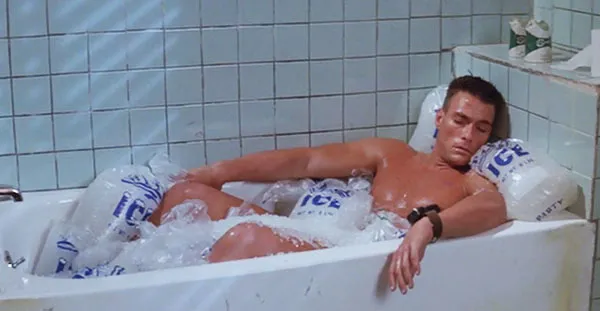
We handle heat badly. The more heat our bodies absorb, the higher our core temperature climbs—heat stroke is a real possibility if the air temp isn’t controlled. That’s why we need air‑conditioners, like Jean‑Claude Van Damme in Universal Soldier dunking himself in an ice bath to cool down.
My personal nightmare scenario
- I lie on sheets and a mattress with zero protection.
- I can’t use a plastic mattress cover—my back would sweat and I’d overheat.
- I use absorbent pads, but they can’t handle a large spill.
- A disaster usually means my external condom catheter slipped off and the liquid soaks every layer of bedding.
- No diaper can hold more than about two liters of liquid.
- Wearing diapers long‑term skyrockets the risk of UTIs and E. coli. I never wear them. They’re just an easy way for caregivers to avoid extra work, but not a real solution.
Accidents are inevitable—it’s only a matter of time. They might happen twice in three days, or not at all for five or six months. Because you can’t feel your body, you’re supposed to check down there every so often—but with quadriplegia you can neither feel nor look.
So you have to rely on technology.
The life‑saver: a leak sensor
I found a fantastic gadget that literally saved my life.
It’s a wireless water‑leak sensor repurposed for my needs, and it’s worked perfectly for years.
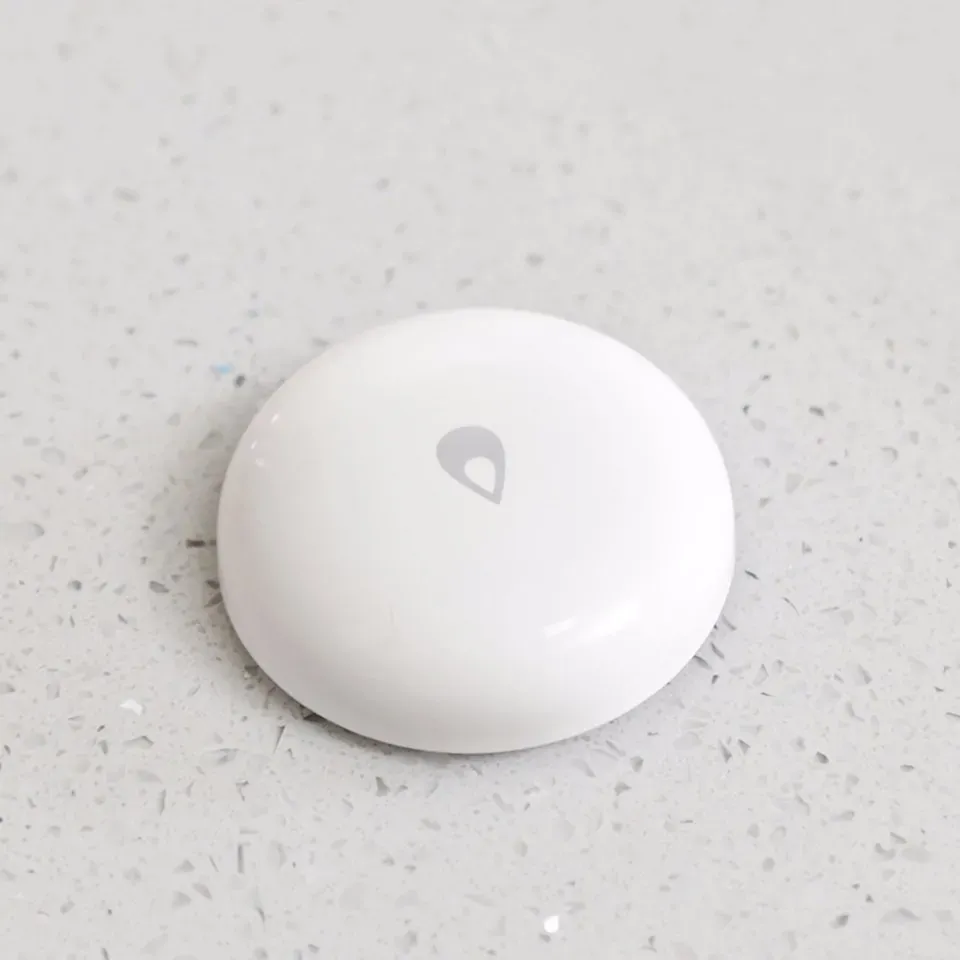
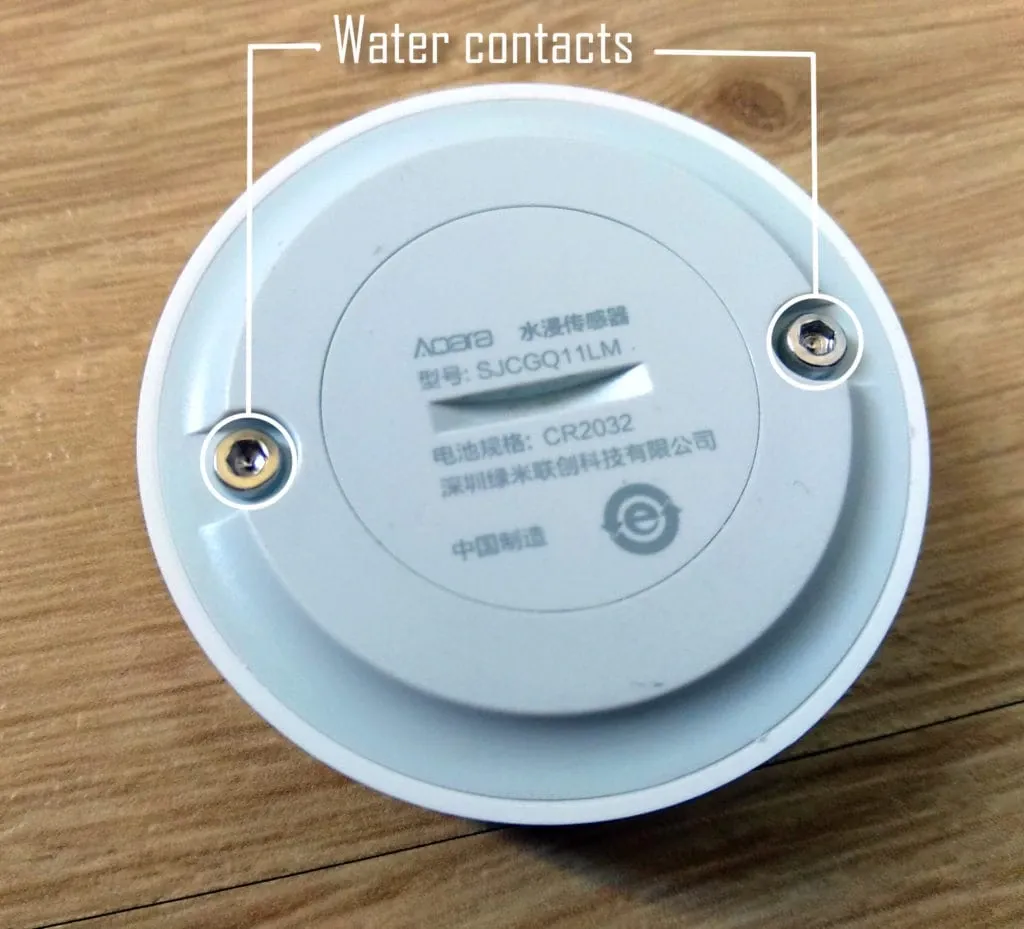
The smart sensor has two metal pins on its underside; the instant they detect liquid, it sounds an alarm. Better to catch 50–60 ml right away than two liters after hours of soaking.
Lay an absorbent pad under you, place the sensor between your legs—no more fear of a flood that ruins your bedding, mattress, skin, and mood.
Staying in wet sheets is a huge risk for pressure sores (decubitus). Urine eats into skin after long contact, starting with redness. It’s vital to dry the skin thoroughly after any accident. Moisture is our enemy. Every immobile person knows this pain.
Flashback
When I crashed my motorcycle, paralyzed and unaware of what had happened, I was taken to the ER. Thanks to poor care—leaky catheters, hours in wet bedding—I developed stage‑four pressure sores on both hips, my sacrum, and an ankle. Flesh deteriorated until bone was exposed; the holes were big enough to fit a fist. I had to lie face‑down for weeks. I ate breakfast, lunch, and dinner on my stomach.
Their negligence permanently damaged my body—and I was only 17. Eventually the sores became life‑threatening. The spinal injury was no longer the main issue; I might die from infection. They rushed me to the Military Medical Academy, where surgeons spent six hours saving my life. I was awake the whole time and still remember every detail. The scars are enormous; every glance pulls me back to that helpless past.
Sorry for the long digression, but I wanted to convey how many dangers stalk people who spend their lives in bed—like a pendulum blade swinging overhead. Healthy folks can’t even imagine.
Meet the Aqara water leak sensor
- Low‑profile, round, no sharp edges—won’t cause pressure points if it slips under you.
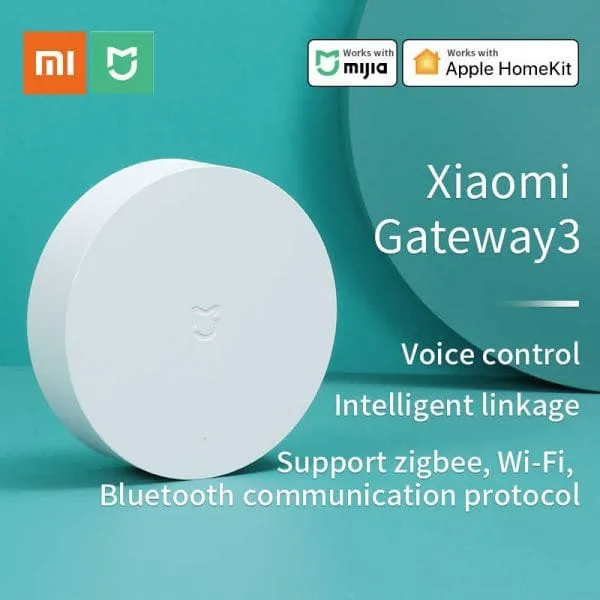
- Needs a Xiaomi Gateway 3 to connect wirelessly; when a leak is detected, the Gateway blares an alarm loud enough to wake even heavy sleepers.
Specs
- 50 × 50 × 15 mm
- Sleek design
- Wireless & waterproof
- Smallest, lightest on the market; batteries last two years
- Washable with soap and water
- No dangling cables—store it away when you don’t need it
- Sensor ≈ €30; Xiaomi Gateway ≈ €40 (both available online)
First‑hand experience: it has saved me countless times. Life without it feels like the Stone Age—never knowing what horror you’ll discover in the morning.
Yes, there are baby alarms you clip into a diaper or pad‑style sensors, but they’re usually bulky, square, have sharp edges, and come with a tethered control box. Dragging that setup around the bed never inspired confidence.
Xiaomi’s ecosystem is massive—smart lights, temperature‑humidity monitors, vibration sensors, door‑window sensors, you name it. If you’re new to smart‑home tech, start exploring; you’ll likely find something that fits your needs. It’s an exciting world.
This little sensor is a crucial piece of tech that shields me from sudden, major problems.
If you’ve ever woken up in a soaked bed, you know how humiliating it is. This sensor gave me back peaceful sleep. If you want to try it, the info’s above. If you’re already using something similar, share your experience in the comments—together we can make life easier for others.

Be First to Comment